Electrostatic Powder Coating
Integrated production, from cutting to a coated part
Electrostatic powder coating is a durable finishing method applied to protect the surface of metal parts and give them the intended appearance. Electrically charged paint powder is sprayed onto the earthed metal surface; the parts are then cured in an oven so the coating hardens and adheres firmly.
At Beta Metal we manage the coating stage in coordination with the production flow for parts that have been through cutting and bending, and deliver them ready for assembly or dispatch. Following the process from a single point helps operations run in a more controlled way, shortens the lead time and reduces the risk of surface damage during intermediate handling.
Electrostatic Powder Coating
Advantages of powder coating
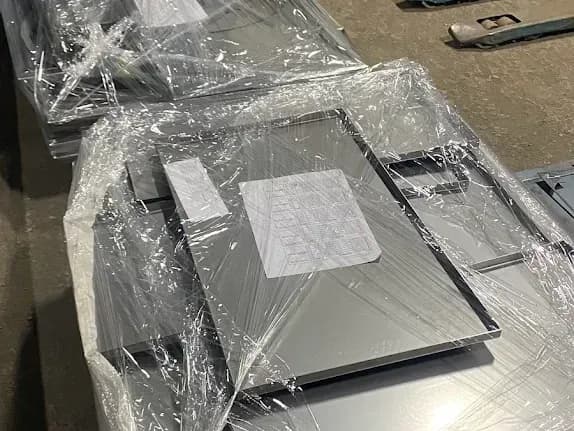
Durable surface
The oven-cured paint layer forms a hard, durable coating on the metal surface. With the right paint type and surface preparation, resistance to scratching, wear and outdoor conditions can be improved.
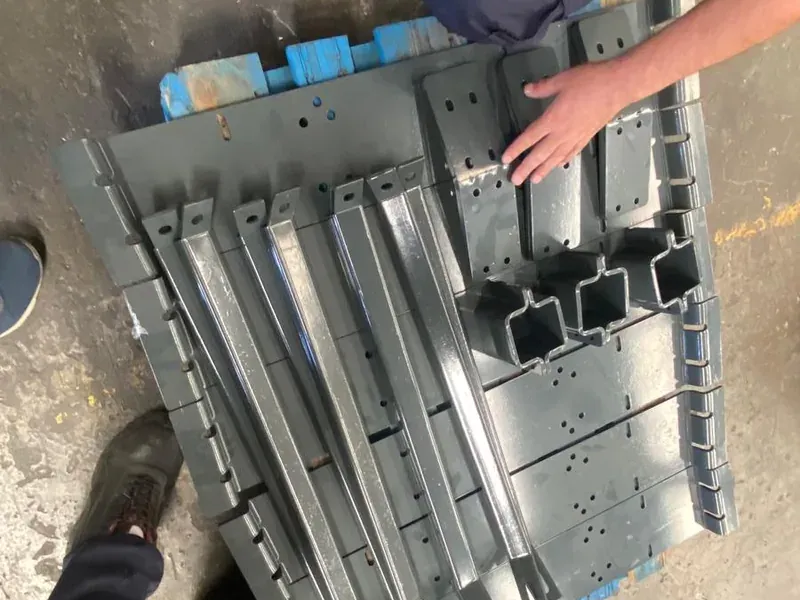
Even, clean appearance
Powder coating helps avoid the runs, drips and brush marks that can appear with liquid paint. With the right application settings, the result is an even, clean and repeatable finish.
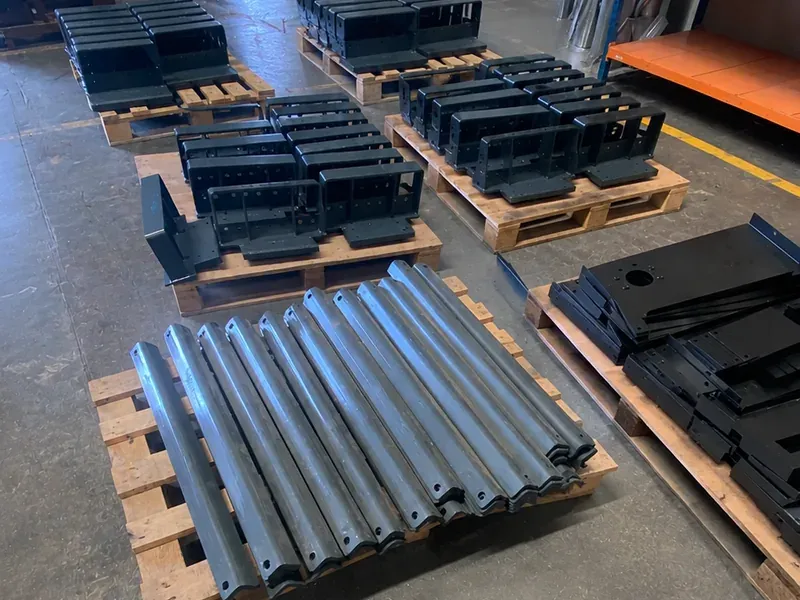
Colour options
Different RAL colours and matt, gloss or textured finishes can be applied to suit the technical and visual requirements of the project. Colour and finish are chosen with the part's operating environment and the expected appearance in mind.
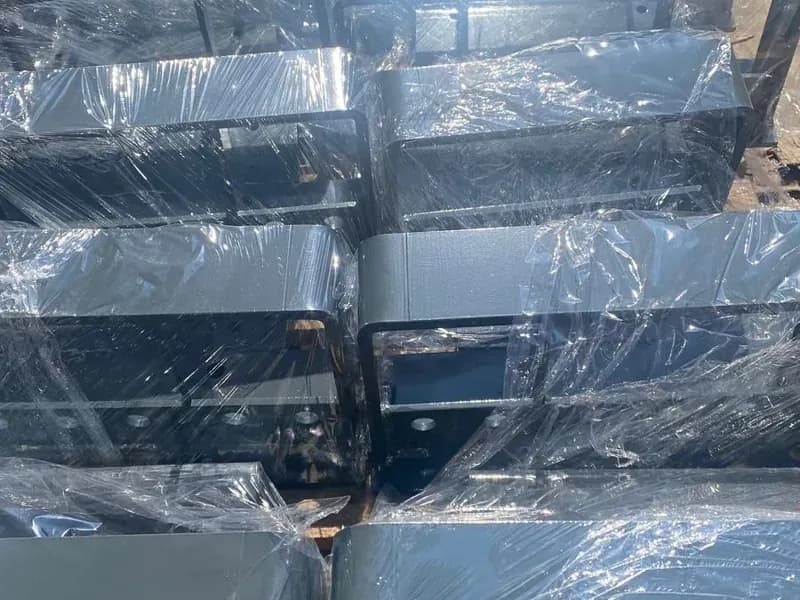
Repeatability in series production
Colour, appearance and application quality are assessed through sample and first-article checks. Once the parameters are approved, the aim is a consistent result across the series.
The coating process
During surface preparation, oil, dirt, oxide, weld residue and other contaminants left from production are removed from the parts; suitable mechanical or chemical pre-treatment is applied according to the material and the condition of the surface.
In electrostatic application, powder paint is given an electrical charge by a dedicated spray gun and applied to the earthed metal part, where the particles are held to the surface by electrostatic attraction.
Coated parts are then cured in an oven at the temperature and for the time the paint type requires. At this stage the paint melts, flows out, hardens and becomes a permanent coating.
After curing, colour consistency, surface appearance and coating integrity go through a final inspection; parts that pass are packed with care taken to protect the surfaces during transport.