Welded Fabrication
From cut part to finished fabrication
Welded fabrication brings metal parts together according to the technical drawing to form a functional product or structure.
At Beta Metal we manage the welding stage in coordination with the production flow for parts that have been through laser and plasma cutting and press brake bending. Planning cutting, bending and welding together helps maintain part fit, reduces dimensional drift and keeps the production process more controlled.
Welded Fabrication
Advantages of welded fabrication
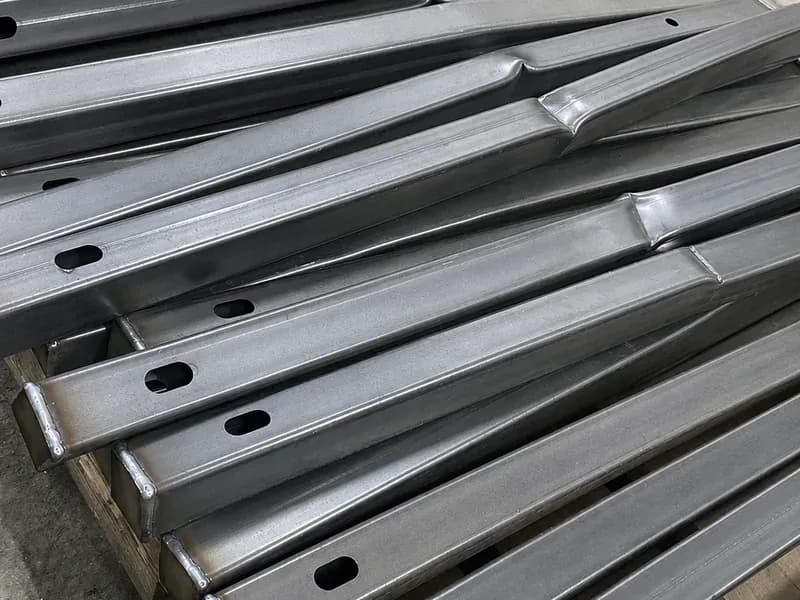
Production to the technical drawing
Part positions, joint locations and weld details are assessed against the technical drawing. Dimensions, angles and part fit are checked before welding.
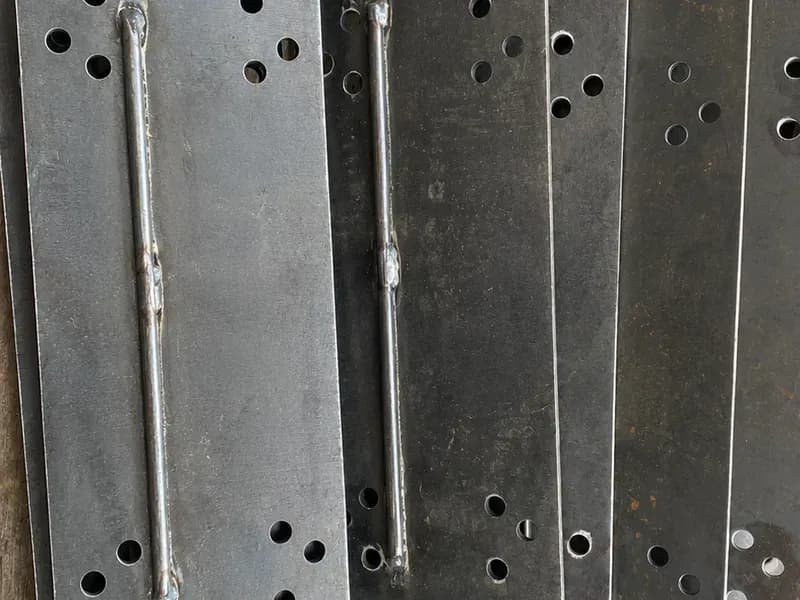
Controlled welding
The welding method, seam type and application sequence are set according to the material, the thickness and the joint geometry, with the aim of keeping heat-related shrinkage and distortion under control.
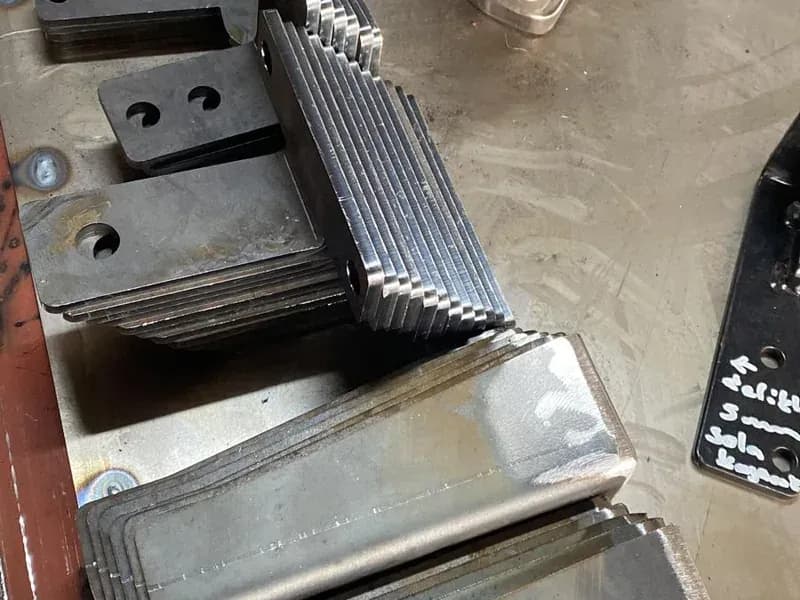
Integrated production flow
Running cutting, bending and welding within the same production plan makes coordination between operations easier and reduces the risks that come with moving parts between sites.
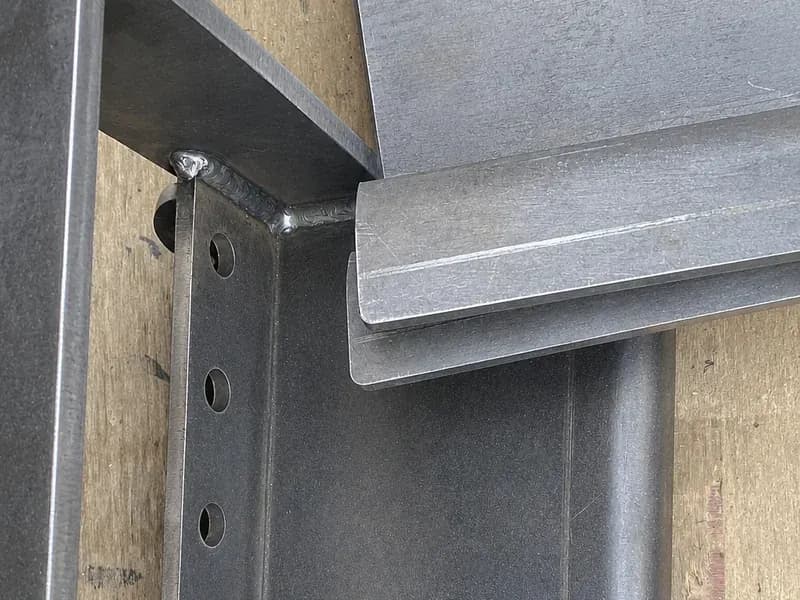
Delivered ready for assembly or coating
On request, weld spatter and surface residue can be cleaned off and grinding applied where needed. Parts are delivered ready for assembly, for electrostatic powder coating or for dispatch.
How we work
In the technical drawing review, part dimensions, material specifications, joint locations and weld details are assessed before production begins.
Parts to be welded are cut and bent to the technical drawing; press brake or roll bending is applied where required.
During pre-assembly and tack welding, parts are brought together and checked for dimensions, angle and position, with fixtures or gauges used where needed.
Welding is carried out in line with the technical drawing and production requirements; the weld sequence is planned to reduce the shrinkage and distortion that can occur in the part.
At final inspection, overall dimensions, angles, the appearance of the weld seams and the integrity of the joints are assessed.
Depending on the surface quality requested, weld spatter is cleaned off, grinding is applied where needed and sharp edges are dressed; parts are then prepared for the next operation or for dispatch.